
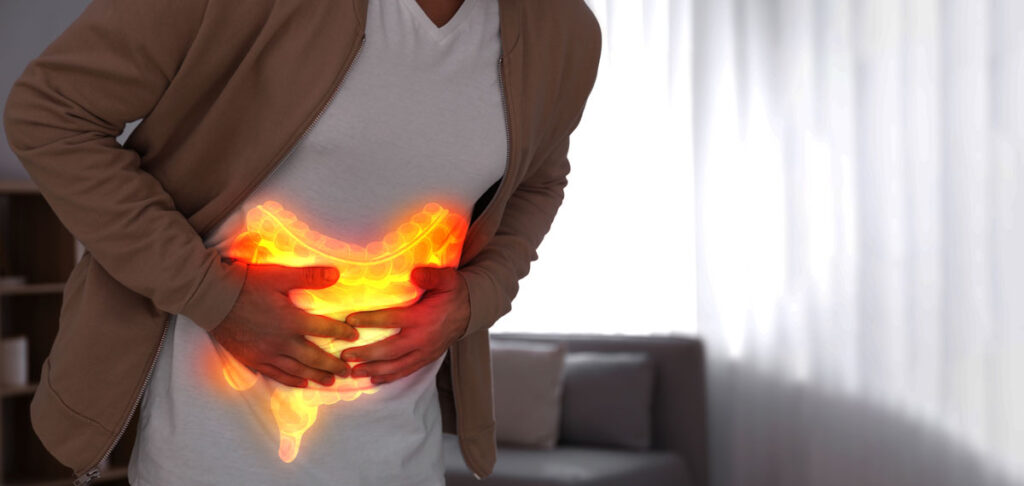
Gallbladder Care in Brooksville: Symptoms You Shouldn’t Ignore
Gallbladder Care in Brooksville: Symptoms You Shouldn’t Ignore is an important topic for patients who experience recurring upper abdominal pain, nausea after meals, bloating, or discomfort that seems to worsen after eating certain foods. At Advanced Gastroenterology & Pulmonary Care, P.L., patients from Brooksville, Spring Hill, Weeki Wachee, and nearby Hernando County communities have access to specialized gastroenterology care for gallbladder disorders and other digestive health concerns.
The gallbladder is a small organ located beneath the liver, but when something goes wrong, the symptoms can have a significant impact on daily life. Some people experience occasional discomfort that comes and goes, while others develop stronger pain, nausea, or digestive problems that begin interfering with meals, sleep, work, or normal routines. Because gallbladder symptoms can sometimes resemble other digestive conditions, proper evaluation is important.
What does the gallbladder do?
The gallbladder stores bile, a digestive fluid produced by the liver. Bile helps the body break down fats during digestion. When you eat, especially a meal containing fat, the gallbladder releases bile into the small intestine.
Problems can occur when the flow of bile becomes blocked or when the gallbladder becomes inflamed. Gallstones are one of the most common reasons this happens. These small, hardened deposits may form inside the gallbladder and can sometimes block the ducts that carry bile.
Not everyone with gallstones develops symptoms. Some people may have gallstones for years without realizing it. Others experience repeated attacks of pain or digestive discomfort that become more noticeable over time.
Common signs of gallbladder problems
Gallbladder symptoms can vary from person to person, but one of the most common warning signs is pain in the upper right side of the abdomen. This discomfort may begin after a meal and can range from a dull ache to intense pain.
Patients may also experience pain that spreads toward the back or right shoulder, nausea, vomiting, indigestion, bloating, or a feeling of fullness after eating. Symptoms may be especially noticeable after foods that are fried, greasy, or high in fat.
Some gallbladder attacks last only a short time, while others continue for several hours. When pain keeps returning, becomes more severe, or is accompanied by other symptoms, it is important to seek medical evaluation.
Why gallbladder pain may happen after eating
The connection between gallbladder symptoms and meals is one reason many patients initially mistake the problem for simple indigestion. After eating, the gallbladder contracts to release bile. If a gallstone blocks the flow of bile or the gallbladder is irritated, this contraction can trigger pain.
Patients often notice symptoms after restaurant meals, fast food, fried foods, rich sauces, or large portions. However, gallbladder problems can eventually cause symptoms even when meals are relatively light.
Keeping track of when pain occurs and what foods were eaten beforehand can be helpful when discussing symptoms with a gastroenterology specialist.
When gallbladder symptoms need prompt medical attention
Some gallbladder symptoms should not wait for a routine appointment. Severe or persistent abdominal pain, fever, chills, yellowing of the skin or eyes, dark urine, repeated vomiting, or significant tenderness in the abdomen may indicate a more serious problem.
These symptoms can occur when the gallbladder becomes inflamed or when a stone blocks one of the bile ducts. Blockages may also affect the liver or pancreas, which is why prompt evaluation is important.
If symptoms are severe or sudden, patients should seek urgent medical attention rather than waiting for them to improve on their own.
How a gastroenterologist evaluates gallbladder concerns
A gastroenterology evaluation usually begins with a discussion of symptoms, medical history, medications, eating patterns, and any previous testing. The physician may ask where the pain occurs, how long it lasts, whether it happens after meals, and whether nausea or other digestive symptoms occur at the same time.
Blood tests and imaging may be used to look for inflammation, infection, gallstones, or bile duct problems. Depending on the situation, additional testing may be recommended.
AGP Care provides gastroenterology services for gallbladder disorders as well as conditions affecting the liver, pancreas, stomach, intestines, and other parts of the digestive system. Patients can learn more about these services on the Services page.
The connection between the gallbladder, liver, and pancreas
The gallbladder does not work alone. It is closely connected to the liver, bile ducts, and pancreas. This is why a problem that starts in the gallbladder can sometimes affect other digestive organs.
For example, a gallstone that moves into a bile duct can interfere with normal bile flow. In certain cases, a stone may also contribute to pancreatic inflammation. This overlap is one reason persistent upper abdominal pain deserves a complete gastroenterology evaluation rather than repeated treatment for indigestion alone.
AGP Care also provides care for liver disease and pancreatic conditions, allowing patients to receive a broader evaluation when symptoms may involve more than one part of the digestive system.
When advanced procedures may be needed
Some bile duct and gallbladder-related conditions require more specialized testing or treatment. AGP Care’s gastroenterology services include Endoscopic Retrograde Cholangiopancreatography, commonly known as ERCP.
ERCP is an advanced procedure used to examine and treat certain problems involving the bile ducts and pancreatic ducts. It may be recommended when there is concern about a blockage, stone, narrowing, or another issue affecting bile flow.
Not every patient with gallbladder symptoms will need ERCP. The appropriate testing depends on symptoms, imaging results, and the specific condition involved. A gastroenterologist can explain whether advanced testing is necessary and what the procedure is designed to accomplish.
Can gallbladder symptoms be confused with acid reflux?
Yes. Gallbladder discomfort can sometimes feel similar to other digestive problems, including acid reflux, ulcers, or general indigestion. Patients may describe burning, pressure, nausea, fullness, or pain after meals.
The location and pattern of symptoms can offer clues, but symptoms alone are not always enough to determine the cause. That is why patients with recurring discomfort should avoid assuming every episode is simply heartburn.
A gastroenterologist can evaluate the full digestive system and decide whether symptoms are coming from the stomach, esophagus, gallbladder, liver, pancreas, or another source.
Why local gallbladder care matters in Brooksville
Digestive symptoms are easier to manage when specialized care is accessible. Patients should not have to travel far every time pain returns or testing is needed.
Advanced Gastroenterology & Pulmonary Care serves patients from Brooksville, Spring Hill, Weeki Wachee, and surrounding communities with specialized digestive health services close to home. The practice focuses on clear communication, personalized care, and helping patients understand both their diagnosis and treatment options.
Dr. Syed Bin-Sagheer specializes in Gastroenterology and treats disorders involving the digestive system, including the stomach, intestines, liver, pancreas, and gallbladder. Patients can learn more about the physicians and AGP Care’s approach by visiting the About page.
Take recurring digestive symptoms seriously
Occasional digestive discomfort can happen to anyone, but recurring upper abdominal pain, nausea after meals, bloating, or symptoms that repeatedly return deserve attention. Gallbladder conditions are often manageable, but getting an accurate diagnosis is the first step.
If you are experiencing symptoms that may be related to your gallbladder or another digestive condition, AGP Care can help determine what is happening and guide you toward the appropriate next step.
To request an appointment with Advanced Gastroenterology & Pulmonary Care, visit the Contact page.